Start the conversation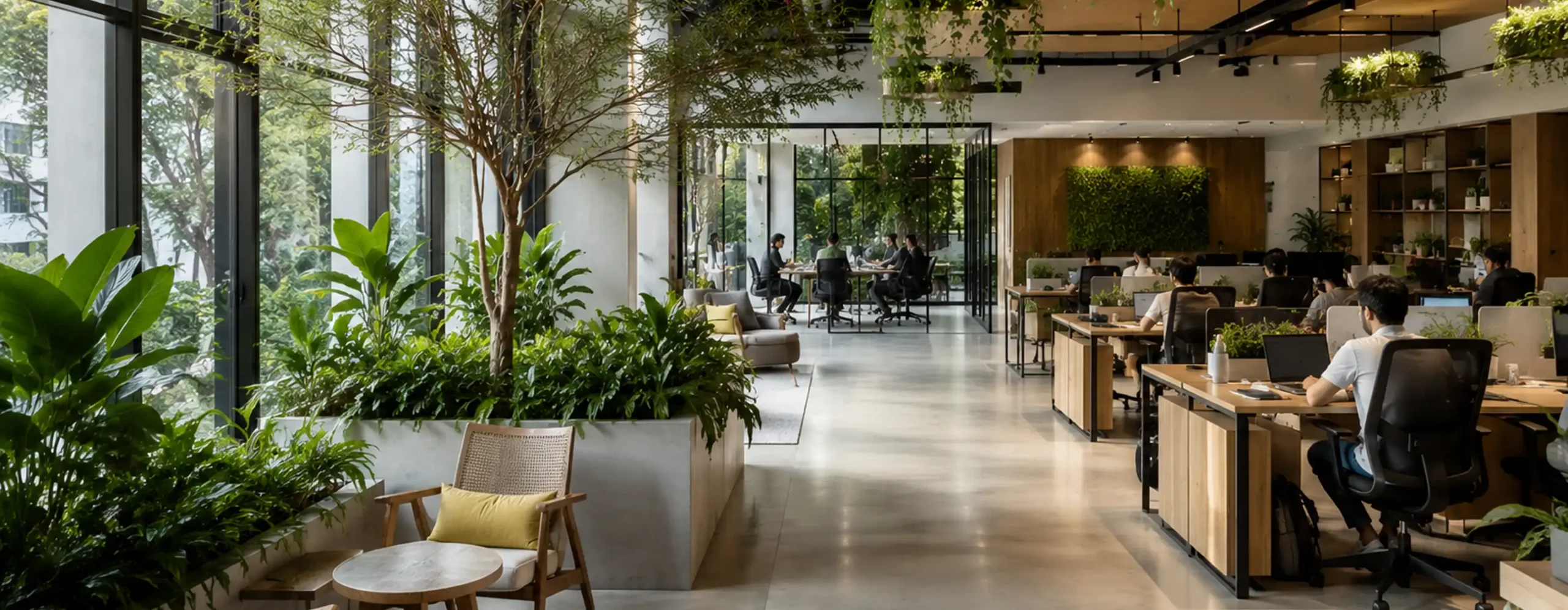
Historically, the success of buildings was determined by their size, cost, and functionality. A house was deemed adequate if it offered sufficient rooms, while an office was considered effective if it provided enough desks. As long as a structure was sturdy and fulfilled its intended purpose, it was regarded as a success.
However, our understanding of effective design is undergoing a significant transformation.
With nearly 90% of our lives spent indoors, the spaces we inhabit profoundly affect our thoughts, emotions, sleep patterns, work performance, social interactions, and even our capacity to heal. Consequently, the dialogue around design is shifting from simple functionality to a far more vital focus: wellness.
The critical question is no longer whether a building serves its purpose; rather, it is whether it fosters human flourishing.
Understanding Wellnessin Design
Wellness is frequently misconstrued as merely the addition of amenities such as gyms, meditation rooms, or landscaped gardens. In truth, wellness begins much earlier—at the design stage.
A wellness-oriented space positively influences physical, emotional, social, and mental well-being. It is a setting that alleviates stress, promotes healthy habits, encourages meaningful interactions, and fosters a sense of belonging. Wellness should not be viewed as an added feature; it is an outcome of intentional and thoughtful design.
The Growing Importance of Wellness
Modern conveniences have brought numerous benefits, yet they have also introduced significant challenges. Many individuals face:
– Increased stress and anxiety
– Sedentary lifestyles
– Digital fatigue
– A lack of meaningful social interactions
– Poor sleep quality
– Diminished connection with nature
Ironically, many of these challenges stem from the environments we occupy daily.
For instance, poorly lit offices can diminish productivity and increase fatigue, while homes lacking natural ventilation may negatively impact comfort and health. Workspaces that discourage interaction can stifle collaboration and creativity. Design possesses the power to either exacerbate these issues or serve as a solution.
Promoting Wellness at Home
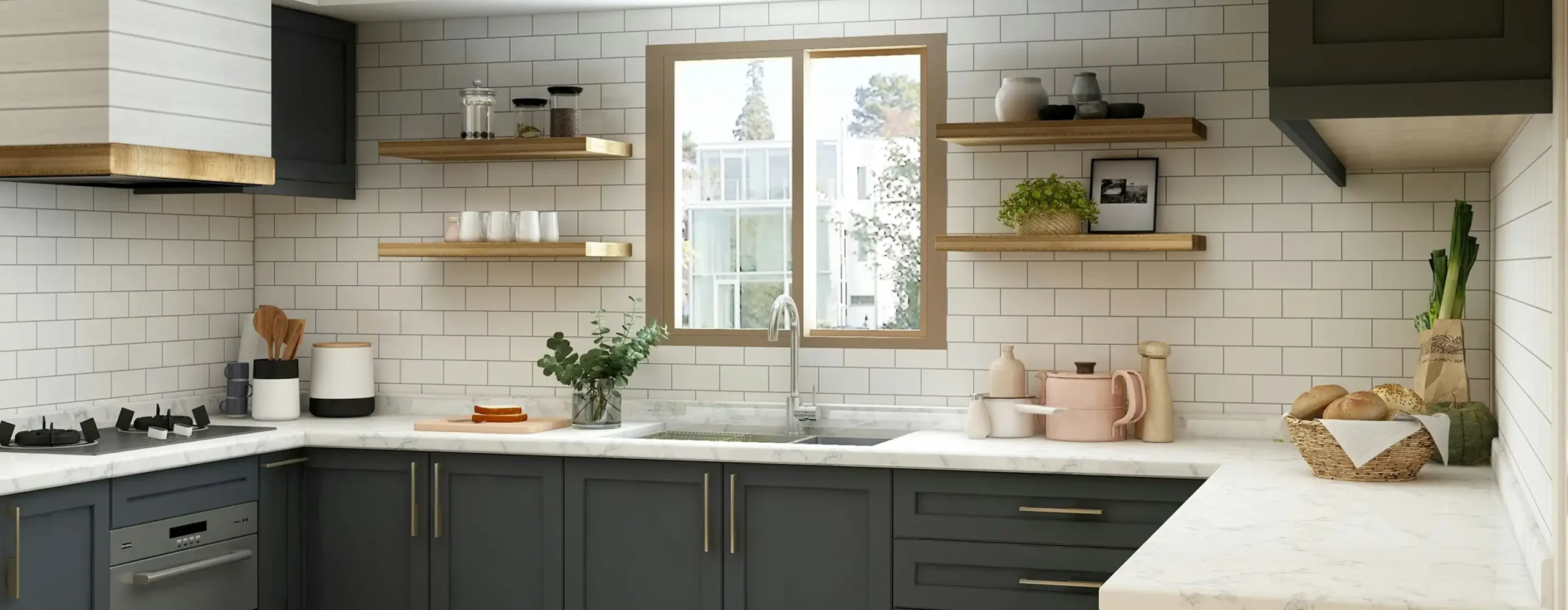
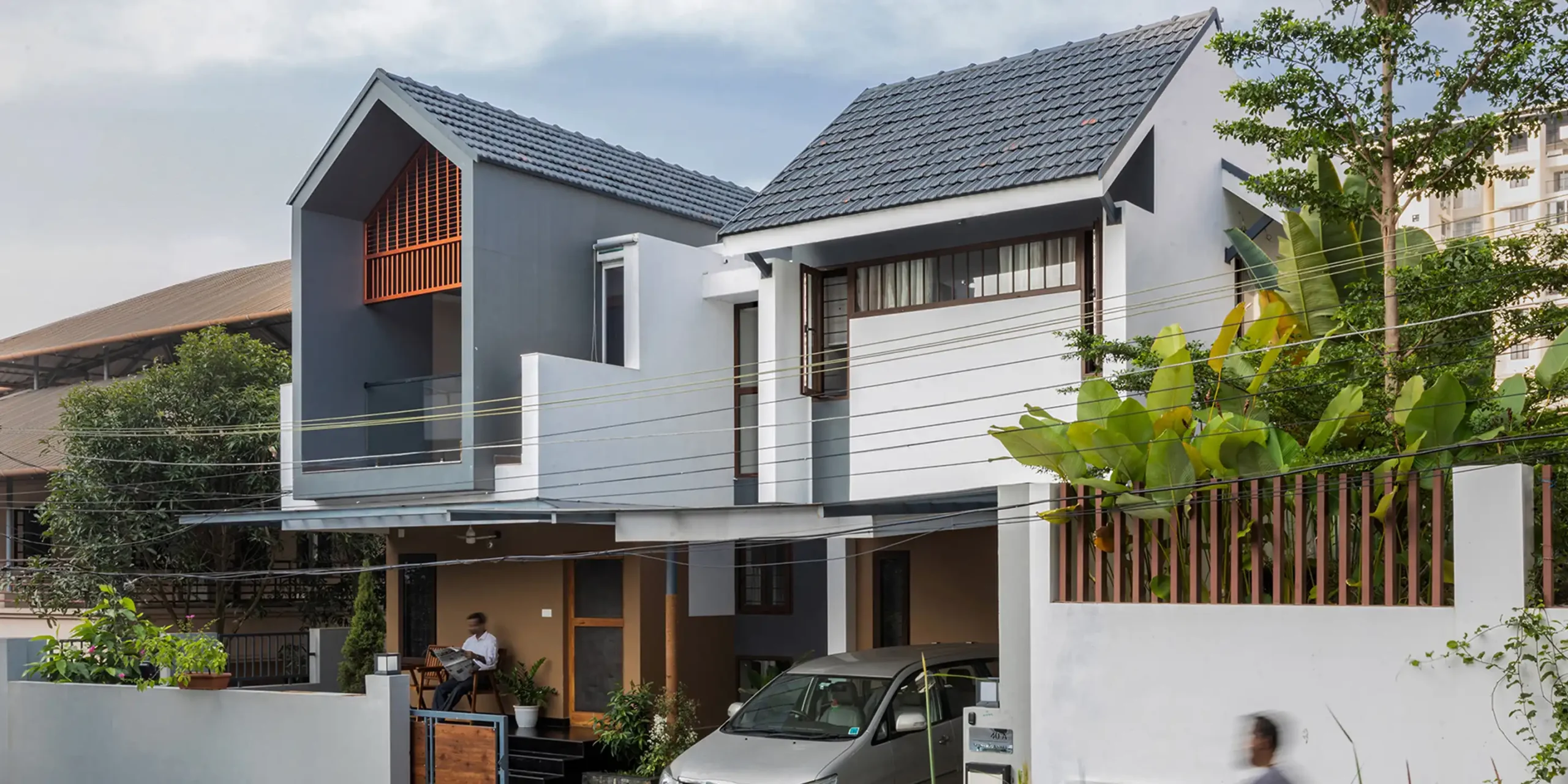
A home should transcend mere shelter; it ought to be a sanctuary for rejuvenation. Thoughtful design can enhance wellness through simple yet impactful strategies:
– Natural Light: Daylight aligns with our biological rhythms, elevates mood, and improves overall well-being. Homes that embrace morning light often feel more energizing than those reliant solely on artificial illumination.
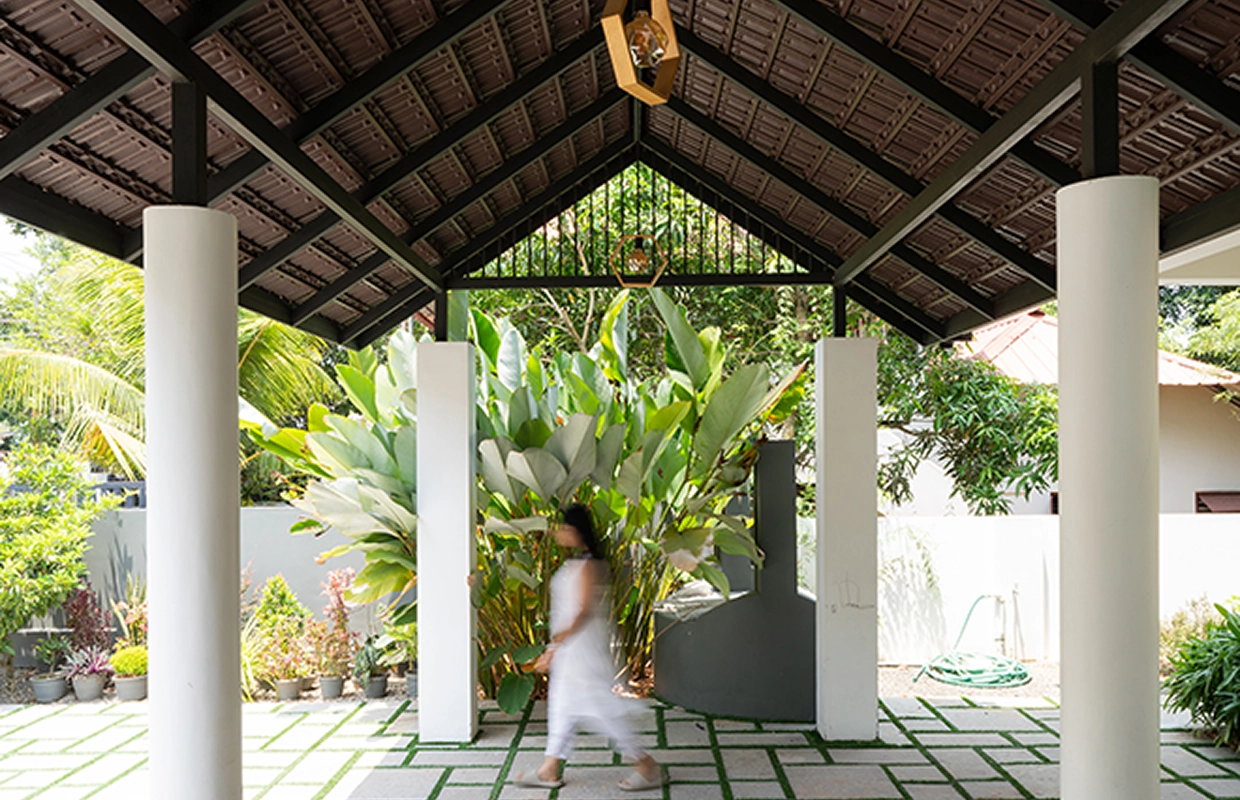
– Connection with Nature: Views of greenery, gardens, water features, and even glimpses of the sky can significantly enhance emotional well-being. Our intrinsic affinity for nature creates a calming influence that technology cannot replicate.
– Ventilation and Air Quality: Fresh air is crucial for healthy living. Design elements such as cross-ventilation, shaded openings, and climate-responsive features enhance comfort and reduce reliance on mechanical systems.
– Spaces for Togetherness: Wellness is inherently social. Areas designed for dining, family gatherings, and informal seating promote conversations and strengthen relationships. Many cherished memories are tied not to specific rooms but to the interactions they facilitate.
Fostering Wellness in the Workplace
The workplace is increasingly recognized as more than just a venue for task completion; it is an environment that shapes productivity, creativity, and employee satisfaction. Organizations are beginning to appreciate that investing in wellness is not just a social responsibility, but a strategic business advantage.
– Access to Daylight: Employees with access to natural light often report enhanced focus, improved mood, and increased job satisfaction. A well-lit workspace can be a powerful productivity enhancer.
– Opportunities for Movement: The human body is not designed for prolonged periods of sitting. Thoughtful workplace design encourages movement through circulation paths, collaborative zones, breakout spaces, and informal meeting areas.
– Reduced Stress: Factors such as acoustic comfort, appropriate lighting, natural materials, and visual connections to nature contribute to a calmer work environment. Lower stress levels enhance creativity and decision-making.
– Sense of Community: Individuals perform better when they feel connected. Spaces that encourage spontaneous interactions often lead to stronger teams and healthier workplace cultures.
The Role of Architecture
Architecture has always influenced human behavior. Elements such as narrow corridors, shaded courtyards, and windows framing landscapes can significantly affect movement and interaction. Every design decision shapes how individuals experience a space.
As architects and designers, our responsibility extends beyond aesthetics and functionality; we are crafting environments that profoundly impact lives. The true measure of a successful project lies not merely in its appearance but in how it makes people feel.
Wellness Is Not a Luxury
There is a misconception that wellness-focused design is prohibitively expensive. In reality, many principles of wellness are low-cost or even free when integrated early in the design process.
Considerations such as thoughtful orientation, natural ventilation, access to daylight, views of greenery, comfortable proportions, and meaningful social spaces are foundational design choices rather than luxurious additions. The most effective wellness spaces are often not the priciest; they are simply the most thoughtfully conceived.
Designing for a Brighter Future
As our lives grow increasingly fast-paced and digitally interconnected, the demand for restorative physical environments will continue to rise. Homes must evolve into sanctuaries of renewal, and workplaces must become supportive of human potential. Schools, hospitals, hotels, and public spaces must prioritize well-being alongside their primary functions.
The future of design is not solely about constructing buildings; it is about creating environments that empower individuals to lead healthier, happier, and more fulfilling lives. Ultimately, good design transcends problem-solving; it enhances the quality of life itself.